001 - Every Retrofit Needs a Plan - With Meredith Hamstead and Cindy Gareau


The conversation delves into the significance of the Integrated Design Process (IDP) in residential retrofits, emphasizing its role in project management, planning, and the avoidance of poorly managed and executed projects. The value of IDP in residential renovations is highlighted, along with the quantification of its benefits. The conversation emphasizes the importance of investing in the plan and continuous communication throughout the project. It highlights the need for intentional spending and the impact of failing to plan effectively.
Takeaways
- Integrated Design Process (IDP) is crucial for successful residential retrofits
- IDP facilitates outcomes-focused project management
- Investing in the plan
- Continuous communication
Chapters
- 00:00 Introduction
- 00:18 Meet the Guests
- 02:51 Renovations vs. Retrofits
- 07:09 Defining the Integrated Design Process - Every Home Needs a Good Plan
- 18:35 Getting the Right People in the Room
- 23:55 The Cost of Poor Planning
- 38:10 Houses are Systems
- 42:22 Respecting Expertise and Creating Better Outcomes
- 55:09 A Better Name for IDP
- 57:04 Closing and Disclaimer
Ben (00:00)
Welcome to Renewing Homes, the Residential Retrofit Podcast. I'm your host, Ben Hildebrandt. This show explores how we improve existing homes through better planning and design, better retrofit work, and better decision making. Better homes through better retrofits? Enjoy the episode.
Ben Hildebrandt (00:18)
joining me today are Meredith Hamstead and Cindy Gareau We're gonna have an amazing discussion around the integrated design process and how that fits into residential retrofits and the importance of it. But first, before we dive in, Meredith and Cindy, can you?
Both ⁓ introduce yourselves briefly, tell us a bit about who you are and what you're doing in the industry.
Meredith Hamstead (00:38)
Sure, thanks Ben and thanks for having me here. This is really quite exciting. Don't get a chance to talk about IDP to a larger audience very often, so this is nice. I am a mom, I'm a skier, I'm a climate activist and together with my husband Paul Denchuk we own a small residential construction company in Southeast British Columbia. We live in the Four Seasons Resort community of Invermere. At Think Bright we only do two
things We build at step five of the BC Energy Step Code, so high performance new homes, and we do deep energy retrofits. And I think one of the things that's unique about Think Bright Homes is that we do this across the full spectrum of the market from like affordable homes to high-end luxury homes. We are...
really excited to have the opportunity to talk about how IDP drives success in all of our projects. A whole nother podcast on new builds, certainly is the IDP is the root of our success in the retrofit world.
Ben Hildebrandt (01:41)
Cindy, tell us bit about yourself.
Cindy Gareau (01:43)
Yeah, so Cindy Gareau, I'm the executive director of Deep Breath, the Canadian Association of Consulting Energy Advisors. call ourselves CACEA and we're the national association that really represents the EAs and their community across Canada. I am also a mom and ⁓ have a cat.
And we have been promoting the practice of IDP for six or seven years now as an association because we see the value both in new construction as well as in retrofits. And as a result, Casey has actually developed IDP facilitation training, which we've been delivering.
Again, for several years and I think now there are over 30 IDP facilitators qualified across the country. So we're very proud of that and we're continuing to push the idea of plan first, have a smart plan and then do your project.
Ben Hildebrandt (02:47)
Yeah, it's all about the plan. And we'll get into that a bit.
But first, Meredith, let's start by talking about why do we need IDP? And I think that starts off with how is a deep energy retrofit different from a standard renovation? Because there's a lot of contractors out there that can go around and just replace your cladding and windows and...
and we'll avoid the conversation about how well they might be doing that. But retrofits can be a lot more than that. Why don't you explain kind of how that varies.
Meredith Hamstead (03:20)
Yeah.
What's the crux of the matter? I think it's a really important question.
Because I don't think that the language of retrofits and integrated design process has really started to resonate with homeowners. I don't even think it's really started to stick yet in industry. So the first question is, hey, I want to hire you to do some stuff for me. Why is a retrofit different than a renovation? And there are a couple of things to say about that. One is that every retrofit is also a renovation, but not every renovation.
renovation is a retrofit. a renovation is about how do we make this house nicer?
Ben Hildebrandt (03:56)
That's a great way of putting it.
Meredith Hamstead (04:02)
A retrofit is about how do we make this house better? So in a renovation success is primarily measured in terms of like visual satisfaction. Do I like it more? You know, maybe you want another bedroom. Maybe you want your kitchen updated. In a retrofit success is primarily measured in lasting quality, performance, comfort, air quality, energy efficiency. It's about how the house works for you.
Cindy Gareau (04:03)
Nine.
Meredith Hamstead (04:31)
It's about the capital, the value of your capital asset.
And it's also going to be a renovation, so it's also going to make your house nicer too. you can switch out windows and it's a renovation, or you can switch out windows and it's a retrofit. They're not the same thing because the intention is very different. We get more out of a renovation with a good plan than we could ever get, or we get more out of a retrofit with a good plan than we could ever get out of a renovation.
Cindy Gareau (04:46)
Yeah.
Ben Hildebrandt (05:01)
Mm-hmm. And I guess that leads to the point of like, what does that plan look like? How do we pull off that plan for retrofit? think before diving into that, I was like what Peter Amarongan talks about in avoiding piecemeal retrofits. And we want to not do this window replacement in this part of the house over here. And we're going to add some insulation in the attic over there. And maybe we'll...
Reclad the house because it looks nice. We're not really there's no real and thought or plan and that plan is important
Meredith Hamstead (05:32)
That sounds like a demolition project to me, actually. Ultimately, you know, a slow moving demolition project that's just going to tear your house down over time.
Ben Hildebrandt (05:34)
Yeah.
Cindy Gareau (05:42)
.
Ben Hildebrandt (05:41)
Yeah, definitely.
So there's a lot we need for that plan. the question is, how do we really pull that off properly for a retrofit project?
Meredith Hamstead (05:52)
Yeah, I mean, think that I had a call from BC Housing asking like, you know, how, what is one of the barriers to people uptaking IDP and in the industry and to homeowners seeking IDP? And I said, well, I think the problem is actually IDP. We're talking about something that hasn't, the language hasn't stuck with people. What we're really talking about is competent,
outcomes focused project management. It's good project management as opposed to disintegrated project management. so if we can, we know we're talking about IDP, but I think we need to start to manage the language a little bit so that we're talking about what people get out of it. And what they get out of it is a well managed project where costs are managed because the plan is produced upfront collaboratively with the homeowner and the trades and everybody who needs to be involved.
Ben Hildebrandt (06:25)
Yep.
Meredith Hamstead (06:45)
heavy. It's really annoying at the front end of the project to spend so much time in planning, but then when you deliver that project, headache free, hassle free, profitable, happy customers. It's absolutely a win-win for everybody and predictable outcomes for rebate providers, governments that are trying to achieve climate targets.
Cindy Gareau (06:58)
Yeah.
Ben Hildebrandt (07:05)
Mm-hmm. Yeah.
Cindy Gareau (07:06)
Yeah.
Ben Hildebrandt (07:08)
guess it's really easy to just dive into this conversation, but I'm not sure if we've really given a formal definition to the integrated design process. Do you want to touch on that for us, Cindy?
Cindy Gareau (07:19)
Sure. know, and Meredith, I agree that, you know, so IDP has been around in part three. You know, everybody knows in part three what IDP is. We also see it, you know, this principle practice. We also see, you know, when people are designing cars, when they're doing cell phones, there's a big plan. There's people that are coming together before they actually build the product.
Meredith Hamstead (07:29)
Mm-hmm.
Cindy Gareau (07:44)
let's call it. And really, in this case, the house is the product. So there needs to be a plan to make sure that whatever we're putting together has been well thought out. And in order to do that, we have to bring in the players who are going to be involved. And so Meredith, you mentioned, you know, all these different people come together. I think first of all, I think the term is scary. IDP, it sounds very formal.
But really it's putting together, you say, Meredith, a smart plan at the beginning. Let's look at how we are going to plan the investment that you are going to be making into your home, into how you're going to use the home. We often don't think about that investment. Like the home is your largest capital investment. And we rely on the, you know, the homeowners often rely on that.
expert thinking that they know what they're doing. And if you're just leaning on one person, they may not know everything. I mean, one person can't know all. So this is the advantage we bring together all the players at the beginning. And yes, it's a heavy lift at the beginning, but you're going to save on cost, time, headaches, ⁓ callbacks.
Meredith Hamstead (09:03)
Call back.
Ben Hildebrandt (09:04)
And those are
all kind of tied together too, the cost, time and headaches. can all happen at once.
Cindy Gareau (09:08)
They're absolutely,
absolutely. And, and you can ask the questions and you can you can explore, you know, what if we could do this and everybody's got a piece of the action, they're all they're all engaged. And again, if you are making a, I mean, a lot of these changes, I live in Toronto. So if you're making a minimum $250,000 or more,
investment into changing your home and many homeowners think of renovation as a retrofit. They don't understand the difference necessarily in the language, but if you are making substantial changes to your home, you want to make sure that you have a solid plan in place before you make those changes because this is your largest asset and this is a huge investment.
And if you make a mistake in one area, like you said, Meredith, you may have to pay again later down the road to fix a mistake that could have been prevented if you'd had a good plan. So IDP, we break it down. are different phases. Like you talk about what are your goals. You do a little, you have your energy advisor do like here's where the house is today.
Here's where maybe we want to go if you're doing targets and then you bring everybody together and then it's design charrette or multiple conversations. Then you make some decisions and then your team can execute.
Meredith Hamstead (10:41)
Yeah. I think, Ben, that I've started to try and think about IDP more as a front-end loaded process of inquiry, more than a complex...
structured process. And so as I was thinking about this podcast, I wanted to, you know, thinking about projects of all sizes. So someone comes to us and says, Hey, I want to put some attic insulation and get a heat pump. Or someone says, I'm renovating my house. I also want to retrofit it like big, big project. Really, we're asking the same four questions every single time. So the first question we have to ask is not what does the homeowner want to do?
But what problems is the homeowner trying to solve? Because sometimes they'll come to us and say, hey, I want to switch out my windows. My question to them is why? Well, I don't like the way they look is a very importantly different question than, there's condensation on them. now my next question is a building science question. Do you have mechanical ventilation? Maybe you have a $3,000 problem, not a $30,000 problem, right? So what problems is the homeowner trying to solve?
Ben Hildebrandt (11:50)
Mm-hmm.
Meredith Hamstead (11:53)
What are their pain points? That's the first question. And then the second question is, what information do I need to properly diagnose the cause of those problems? so answer number one is, I need an energy advisor. But maybe I also need an F280, balance point calculations, blah, blah. It goes on and on. So second question is, what information do we need for diagnosis or data?
Cindy Gareau (11:56)
Mm-hmm.
Meredith Hamstead (12:16)
Then my third question right on the heels of that is who can help me provide that information because I'm pretty smart, but I need a lot of brains to do the work that we do at Think Bright. So I want to borrow brains and bring them onto my team at the front end so that I can be really smart through the rest of the project. And then the last question is who needs to be involved in the logistics of actually getting the work done? And so that's from the flooring guy. Maybe it's an engineer.
it's even an interior designer, right? So when I ask those four questions, what are the problems? What information do I need to diagnose? Who do I need to help me gather the information? And who needs to be involved in the logistics? Now I have my team.
And I built a team that then together we can decide how many meetings we need to have, how structured am I doing my IDP in-house or am I hiring a KCE IDP trained professional? How complex does it need to be? How much is it going to cost? Do I need to charge my client for it or is it just good process? There's a huge spectrum of the how of an IDP, but I think those four questions define the scope of an IDP, the cost.
Cindy Gareau (13:12)
Yep.
Ben Hildebrandt (13:12)
Thank
Cindy Gareau (13:19)
Okay.
Meredith Hamstead (13:27)
the team.
Cindy Gareau (13:28)
Can I add to that? Because one of the things like when we're when we do a lot of our facilitation training is that we want to actually utilize the IDP to go beyond what you think you need. And so the purpose of an IDP is to question what you think you need and even question, you know, Meredith for you.
Ben Hildebrandt (13:31)
Yeah, go for it.
Cindy Gareau (13:51)
as a person doing it, that's why bringing in the experts. can, you know, the question is, why have we made, you know, why do we think this? Is this the best decision for what the homeowner goals are? The homeowner goals and what they're wanting is the North Star at all times. And so always bringing back, you know, in the conversation, okay, is this going to satisfy what we're trying to do? Is there something better we can do? What haven't we thought of? What are we missing?
Is this the right way? And these, the why is your best friend and going on the high level first and then because we run the risk in a lot of these conversations of still continuing these siloed conversations. And the whole thing with an IDP is it's integrated, it's iterative. We're going back and forth and back and forth, testing, questioning, is this the right pathway? Again, whether it's a small,
group of people or it's a large group of people. The other questions that we often say because there are some very savvy homeowners and I'm sure Meredith you've worked with some who really understand energy efficiency and such and there are homeowners that aren't savvy. So some of the questions we often suggest we have like when we do our training we give the facilitators sort of a template for we call it discovery questions sort of what you were talking about Meredith. But one of the questions is
How are you? How do you want to use your home? So when we make these changes, how are you wanting to use it? Because somebody you know, how what are you wanting to do? Who's going to be using the house? Because you know, they may not understand what you mean by comfort. They may say, you know, I'm fine. Just you know, yeah, I'm sitting by the window, I might have to throw a sweater on. You know, I've had to do that all my life, you know, so they don't so it's putting sometimes those questions.
asking the questions in a way that, you know, can get to, like you were saying, Meredith, some of those, okay, what are the things, the issues that we're going to have to, as a collective, figure out? And sometimes even inviting to the IDPs people that the homeowner may not have thought about. So they may not have thought of solar. They may not have, and you bring them in.
They may not have like just for information because the IDP is an educational opportunity. And when you're looking at the existing home world, you mentioned it earlier, Mary, you may have to roadmap. So you may introduce like some people, was just, we were just doing some training and there was a fellow who said, I wish we'd done an IDP and you know what I missed? They had a boiler. had no, you know, there was, they were, they were really concerned about moisture issues in the home.
Ben Hildebrandt (16:18)
Mm-hmm.
Meredith Hamstead (16:25)
Yeah.
Cindy Gareau (16:39)
And in my renovation upgrade report, because he did the EnerGuide sort of process, he said, I put in there, you should really look at your heating system and maybe think about a heat pump. But the homeowner said, well, you know, my boiler is fine. I don't want to replace it. And that was a missed opportunity to say, well, what if we changed your, what if we did this? What happened? And what would we think?
a bit and okay maybe your boiler's fine today but maybe you know it's 10 years old so what if you have to change let's plan that you're going to have to change it in five years and that's what an IDP can do so it's not just the immediate but it's what's down the road and I know that you know there's a lot of talk about the importance of road mapping especially especially in the existing home market because homeowners have
Ben Hildebrandt (17:08)
Mm-hmm.
Cindy Gareau (17:33)
only so much money. And Meredith, as you know, and you mentioned building science, know, energy advisors, we all look at the house as a system. We look at how it interacts together so that the decisions are going to make sense for the entire house and we're not looking in silos.
Ben Hildebrandt (17:35)
you
Yeah, exactly. And I think one of the key things that we've talked about that initial charrette meeting where we bring everyone together. And I think it's so important to it's more than just the energy advisor or contractor, which is usually one of those two that's having those initial conversations with the homeowner about improvements to their home, but it's bringing other people in and having that conversation around those goals. And that HVAC contractor is going to think of questions to ask that
Cindy Gareau (18:12)
That's right.
Ben Hildebrandt (18:17)
as a contractor or EA energy advisor, unless you've been in that exact situation many, many, many times, you might not think to ask them. as Meredith pointed earlier, it's bringing those brains in that you need to provide the right perspective.
Cindy Gareau (18:26)
Yeah.
Meredith Hamstead (18:29)
Yeah,
Borrow some brains, get them in the room. We learned.
Cindy Gareau (18:33)
That's right.
Meredith Hamstead (18:35)
Over the last couple of years, we did a pilot project, 10 homes, single family homes in a single integrated design process cohort. And we had a logistics snafu with how we had planned our IDP process. You we're doing 10 homes at once. We've got a master plan for this process. And I won't bore you with the details about what happened, but we wound up having to have our site meetings before our first IDP meeting.
And I would never look back. So what happened was we all went to our site meeting with the homeowner. was in this case, it was general contractor, electrician, solar provider, envelope specialist and general contractor. Yep.
Ben Hildebrandt (19:16)
And so really quickly,
had been done before that? You'd had an initial energy audit done for the home and a few brief conversations with the homeowner and you hadn't really gotten into the nitty gritty yet. Is that correct? Yeah.
Meredith Hamstead (19:23)
Yep.
Not at all. Not at
all into the nitty gritty. So we were going in cold and I was not feeling very good about this. But what happened was so great. So we show up at the homeowners house. They're like a deer in the headlights because five of us show up at the same time. Very invasive for people to have trades in their home. So, you you show up respectful, introduce everybody. And what happened was we built knowledge and trust in an hour or less.
on-site unscripted conversations that were inquiry-based about the homeowners space, the building, the electrical, the air quality. The homeowner was there to speak for themselves. We were not biased by having met as a team ahead of time about what the solutions were. So we came in very eyes wide open in a position of sort of enforced curiosity. And the homeowner watched us as a
Cindy Gareau (20:16)
Mm-hmm.
Meredith Hamstead (20:25)
team develop an understanding of their home that they were invited to participate in. So now later we went away, we had our technical IDP meeting where we're talking about F280s and balance points and dew points and all the stuff that homeowners just get overwhelmed about. When we presented solutions back to them for their consideration, it looked to them like their house. It looked to them like their problems and solutions to their problems.
And they went from, I thought I was gonna change my windows to, I am super stoked about having a deep energy retrofit.
Cindy Gareau (21:02)
So Meredith, I
would say that that first meeting is your first design charrette. And so, yeah.
Meredith Hamstead (21:08)
100%. And we're just not calling it that because our trades are going to a design
threat. I don't belong there. I call it an all trade site meeting.
Cindy Gareau (21:17)
Well, I think you call it a planning meeting. and, and because sometimes if you call it a trades meeting, my only concern would be that, you know, again, the homeowner might feel intimidated, but if you just saying a general, know, or a goal, let's, know, a goal, a shoot for the star meeting or whatever, the term charrette is the formal term.
Meredith Hamstead (21:21)
Mm-hmm.
Cindy Gareau (21:41)
But people get intimidated by that. If you just say, we're going to have a planning design meeting. like we said earlier, it's just, know, the terminology design sounds very formal. see resistance to it in both new construction. Same thing, because everyone goes, oh, it's going to be really expensive. Oh, we can't afford that. That's going to be like, we were already, you know, concerned about how much everything's going to cost. And now you're going to add another dimension.
Meredith Hamstead (22:00)
Really expensive.
Cindy Gareau (22:10)
⁓ to it. it's just, I mean, I think it's semantics and we just have to change that. But again, what you did, Meredith, was the first design charrette meeting, then you had a second one, and then you had the final design meeting. Yeah.
Ben Hildebrandt (22:24)
And you
Meredith Hamstead (22:25)
And then we executed a project really, really smoothly, you know, with a
really happy homeowner and outcomes matching modeling and everybody's super happy. I think that...
If we can start to soften the language around integrated design, we'll get a lot more buy-in. In the new build side of things, there's resistance, there's kind of like, you know, architects, designers, we're accustomed to planning a new build. What we're not accustomed to doing is really deeply planning a renovation, let alone a retrofit. And our consumers, our homeowners are anxious about what it's going to cost.
Cindy Gareau (22:41)
Yeah.
Ben Hildebrandt (23:02)
Mm-hmm.
Meredith Hamstead (23:07)
our trades are like, they're smoking busy. They don't want to spend more time in meetings. And so I think we need to talk in juxtaposition to what we want to achieve. We need to ask about what we sometimes are or achieving or what we're trying to avoid. And what we're trying to avoid is more meetings.
Cindy Gareau (23:12)
Yeah.
Meredith Hamstead (23:27)
We're trying to avoid confusion. We're trying to avoid unmanaged cost or cost or change orders.
We're trying to avoid going over budget and over time and there's only one way to do this and that's project management. If you're not managing your project, all of those things are going to happen. So whether we call it IDP, whether we call it planning, know, it's a poorly managed project is a poorly managed project.
Cindy Gareau (23:36)
Yeah. Yeah.
Ben Hildebrandt (23:56)
Yeah, and so maybe
Cindy Gareau (23:56)
Yeah.
Ben Hildebrandt (23:57)
let's take a minute and go back and maybe let me paint a picture. You guys correct me where I'm wrong in this, but let's discuss a poorly managed project. What standardly happens? A homeowner calls a contractor. Maybe you saw their ad, maybe you saw their truck driving down the street. Hey, I want to replace my windows. I want to do this work. That contractor even, and let's say the contractor is invested in retrofits, in doing deep energy retrofit, going all the way.
but he doesn't understand the importance of bringing people in early. So standard process would be him meeting with the homeowner or her and identifying, okay, let's re-clad, let's add four inches of mineral fiber insulation on the exterior. We're going to replace your furnace with a heat pump as well, do your windows, we're gonna do all this work. And the homeowner's like, okay. So the contractor goes back and he reaches out to his trades, maybe he's worked with them a lot, maybe he's trying to find a couple of new trades.
He's still trying to find that perfect heat pump installer guy, but he just says, okay, I've got this house. I'm looking for this replacement, that replacement. gets the bids, homeowner's happy, work proceeds. And then somewhere down the road, ideally, unfortunately, whatever with the HVAC installer, he runs into some issues that things aren't working right during the installation. They didn't think about where that heat pump was gonna need to be ducted out or how they're gonna install and duct the ERV or HRV.
Was it gonna be tied into the bath fans or replace the bath fans or how is that gonna work? And worst case scenario, they hit a wall where they need to pause and stop and figure something out. And depending on the exact contractual arrangement on that, it can be more delay or less delay. But
Meredith Hamstead (25:34)
Yep.
I'm having,
it gives me heart palpitations as a general contractor because we've been there. just, I delivered an IDP training recently that I called the train wreck. ⁓ We did a very small project and I was super arrogant. I was like, I've got this.
Cindy Gareau (25:43)
you
Ben Hildebrandt (25:53)
Thank
A train wreck on a small project?
Meredith Hamstead (26:01)
Yes, it
was magic. I was very arrogant. I'm not going to lie. I thought I've been doing IDP for so long. I know what I need to know. We're just going to go ahead and do this project. A couple of windows, well, like nine windows, but in one part of the house, ducted heat pump and replacing an existing ducted furnace and some flooring. And that was it.
No problem. Well, the homeowner didn't want to, they wanted us to general most of the project, but they wanted the HVAC done separately. And that was my first mistake. So, but I didn't know it yet. The collision point on this project, the wheels went off the car, was like, the flooring guy and the HVAC guy show up at the same time. And.
They don't know what the other one is doing. They have no idea. They don't even know why the other guy is at the house. The homeowner didn't know who was showing up on that day. Now the homeowners like, you know, whatever they work from home. It's annoying. People are showing up. They have to manage it. Our project manager is losing his mind because he didn't know they were showing up. And we wound up in the end delivering a project that on paper was awesome. The homeowners more comfortable.
building is far more energy efficient. We've improved the quality of the home. We've even improved the aesthetic of the home. But they're never going to call us back because it was dreadful. We managed to bring it in on budget, but it was very, very painful. We were lucky we didn't wind up with a fist fight. A half hour free, because everybody's going to be there anyway, IDP would have completely solved the problem. No cost, just good process.
And this really small project would have come to the same outcome with really just less humiliation involved. was a total train wreck. And so you magnify that to a really complex whole home retrofit and it's a disaster. It was terrible.
Ben Hildebrandt (27:57)
Yeah, and there's so much
there can be so much coordination and the few retrofits I've been closely involved with in the Calgary area I've seen electrical panels moving and that wiring conduit is also being tied in routed through the exterior insulation system that's being installed and you're Closing off these vents that are no longer needed. You're installing ducting over here. There's a lot of
crossover between the general envelope work and the electrical and mechanical work which requires so much forethought and plumbing.
Cindy Gareau (28:29)
And plumbing and plumbing and all of that,
Meredith Hamstead (28:32)
Yeah.
Cindy Gareau (28:32)
right? And plumbing. I mean, I've
heard of scenarios where they had solar and nobody, you know, I think the homeowner ended up buying, you know, the panels and then it was going to cover the entire roof. And somebody said, well, where's the vent? Where's the stock going to go? And, you know, uh-oh. uh-oh. Oh, yeah.
Meredith Hamstead (28:51)
of her.
Uh oh. Good thing we saved
a lot of on not having an IDP, you know? That's when it suddenly it's like people ask me, contractors and trades ask me all the time, well, who's going to pay for it? How much is it going to cost? The most expensive IDP I have ever run on a retrofit was about seven grand.
Cindy Gareau (29:09)
Yeah.
Ben Hildebrandt (29:16)
Mm-hmm.
Meredith Hamstead (29:17)
think that saved the homeowner literally hundreds of thousands of dollars. And it's difficult to talk to people because our market, homeowner market, the consumer mind has not...
Cindy Gareau (29:22)
Yeah.
Meredith Hamstead (29:33)
We've cottoned on to paying for design for interior design and paying for planning for all kinds of things. The retrofit market hasn't made that case very well. And I think the only way to make it well is in reverse. What's it going to cost you not to do it?
Cindy Gareau (29:39)
Yeah.
Well, I think though that there are assumptions. I, I unfortunately, I'm a homeowner. say unfortunately, because before I made a lot of decisions on my house before I came involved, Casey, and I'm so embarrassed by the decisions I've made on my house that I can't change without it being a meaningful change and investment.
Meredith Hamstead (30:10)
You're on your cells, right?
Cindy Gareau (30:17)
Right? Homeowners often are relying on who they feel are the experts. And if somebody is an HVAC contractor, well, they must know the most recent thing. They think if something is being built, it must be to the highest standard, like even with building codes and such, without realizing that the building code is the is the lowest bar.
Ben Hildebrandt (30:25)
Mm-hmm.
Cindy Gareau (30:45)
Right. And so they think these people, you know, they've been doing it forever. They must know what they're doing. So there's this assumption even with, well, they're an architect. They must know this stuff. Well, architects focus on this. Interior designs focus on this. Engineers focus on this. They don't focus on the whole thing together. They all have their, their, their, their part of the pie. And you almost need to look at
Ben Hildebrandt (30:45)
Yeah.
Cindy Gareau (31:13)
a renovation as a pie. And the house is the pie. And everybody who's there is a slice of the pie, but together they make that pie delicious. And when you're putting a pie together, you have a recipe. Because if you don't follow the recipe, it's going to taste like crap. So maybe, you know, so so I think we have to help the home. We don't want to dis the trades.
We don't want to diss our architect or our designer, but we say we all bring something to this and we all have to come together. I think, and I know that some, some of the people that now again, this is maybe more new construction, there's a watch. I know there are some renovators who have said, if you want to work with me, this is what we do. This is how we operate. And it's not an option. It's part of our fee.
Meredith Hamstead (32:04)
We will not run. It's not optional.
Ben Hildebrandt (32:04)
Mm-hmm.
Meredith Hamstead (32:10)
Yeah, it's not optional anymore.
Ben Hildebrandt (32:11)
Mm-hmm.
Cindy Gareau (32:13)
And
that's, and here's why, yes, we may be a little more expensive, but look at what you're going to get. We did, there was one person again in our training, he did an existing home. So you're wanting to quantify Meredith. Here's an example. There was a renovation that was 350,000 was the budget plus a 10 % contingency above that 350,000.
The plant, there was no plan and the homeowner was away. So the designer made changes in the middle. Things that the homeowner hadn't really asked for. There was no North Star. So the home, they ended up using a contingency of 20%. They spent 350,000 plus 20 % over. The home was many months over time.
Meredith Hamstead (32:46)
Right.
Mm-hmm.
you
Cindy Gareau (33:07)
the homeowner didn't get the home that they were hoping to get. And had they done an IDP, so this person did a little assessment, what if we had done the IDP? They would have come in probably within the $350,000 budget, if not less, and it would have been delivered on time. And the homeowner would have got what they had asked for. So there's a quantification of the benefit of an IDP.
Meredith Hamstead (33:12)
it's so sad.
Cindy Gareau (33:35)
Because that budget was what, $65,000, $70,000 over budget. Who has that?
Ben Hildebrandt (33:35)
Mm-hmm.
Meredith Hamstead (33:41)
So much money. We're talking contingencies and this is the
Ben Hildebrandt (33:42)
Mm-hmm. Yeah.
Meredith Hamstead (33:47)
You know, cost of construction is through the roof. The place to save money, the place to reduce your cost of construction is not by chucking the plan out the window. It's not by having no plan. It's by investing in the plan so that every penny that you're spending is spent intentionally on your project. that, you know, that is, when we're talking about IDP, we're actually talking about real people's money and real outcomes and their
Ben Hildebrandt (33:58)
Yeah.
Cindy Gareau (34:07)
That's right.
Meredith Hamstead (34:15)
Like we say to our clients all the time, my money is exactly the same as yours. I don't have an extra $60,000 either. Neither do you. And so you're asking me not to plan your project because you don't want to spend two, four, $6,000 in planning. I'm going to blow your 60 grand. No problem like that. And so we, I think we have to speak. There's a sort of a change in salesmanship that's required in the, in the trade as a general contractor.
Cindy Gareau (34:23)
That's right.
Ben Hildebrandt (34:42)
Mm-hmm.
Meredith Hamstead (34:45)
I am not
installing windows, installing insulation, doing air sealing. I'm providing a service, the outcome of which is comfort, cost-effectiveness, and capital asset management. And that means I have to be prepared to walk away from projects where the homeowner will not pay me to plan their project. Because if they won't pay me to plan their project, I'm going to fail, and that's going to be my fault because I accepted the project. So...
Cindy Gareau (35:03)
Hmm.
There's the saying, if
you don't have a plan, you plan to fail.
Meredith Hamstead (35:19)
100%. Yeah.
Ben Hildebrandt (35:19)
Yep.
Exactly. So in this IDP process, we've talked a lot about those initial all hands, all trade site meetings with the with homeowner, those initial meetings bringing
everyone all together. And the overall process is it's really starting those conversations, having those early meetings very early on in the design process. And then it's maintaining contact as needed throughout the project. And during those early meetings, you kind of understand the complexity of the project and people will vocalize, I think is the ideal of where they need to be looped into to be kept on track. And so I think I think the core
and connect me where I'm wrong today. can see your wheels turning. But the core is bringing in everyone to those initial conversations and then keeping that contact throughout and making sure everyone's on the same page. And it's not necessarily tons of meetings throughout the entire process.
Cindy Gareau (36:14)
Yeah.
No,
no, no, no. And I think, you know, what's interesting is that there have been IDP meetings where an HVAC, I was in one, where an HVAC provider actually shared an idea that had nothing to do with HVAC directly. So, again, the people you're bringing in, they've been on other projects, they've seen really cool ideas, they've seen innovation. This HVAC guy goes, have you ever had Barrowberry?
Meredith Hamstead (36:33)
Mm-hmm. Yeah.
Cindy Gareau (36:45)
Yeah, I was working on a project and you know what, because of that aero barrier, they really tightened the house and they had really good windows. So we actually had a we were able to bring in a smaller heat pump. And again, the IDP is not also a lot of people get caught up on that individual cost. And the nice thing with an IDP is you're actually looking at the total cost of the project. So yeah, OK, you know what?
Meredith Hamstead (36:58)
Thanks.
Yeah.
Cindy Gareau (37:12)
Yeah, these triple glazed windows, cost a lot of money, but they could also do this, this, again, that house is a system bringing things together. The other thing that we talk about when we do our, our facilitation training, and we really do emphasize not just IDP, but facilitation skills. And the important part of it is the documentation. So we actually say, write the notes down when you've had those meetings.
Create those action items. Okay, who's who, what, and by when and follow up with that. I know that's, you know, that's basic project management sounds basic, but it doesn't always happen. But then you also have this is the decision we made and why, because often, Meredith, you know this, you may have the design, the plans and everything, then you have to get, you know, the permits and such. And that can take several times, amount of time between when you actually start maybe the project.
And then you're on site and maybe you're a month into the project and you go, why the hell did we say we were going to do ABC? Well, you'll pull out your notes and you see this was a decision we made and why. Now you may have to make a change mid project because, know, we're making, we're thinking of things theoretically as, know, Meredith, sometimes there are tweaks that have to be made on site.
Meredith Hamstead (38:38)
Yeah.
Cindy Gareau (38:38)
tweaks we'll call them, that's a gentle word. But
you know, if you have that plan, then you can say, okay, well, we made the decision based on this, but this is now a new reality. But we were now still making that house as a system, building science informed decision and change, which to which is not going to be as costly if we hadn't, you know, we're not going to revisit something that we've already decided.
we have that documentation to say this is why we're doing it because sometimes the IDP facilitator may not be there. They've created that playbook, given it to their contractor because Meredith, you do IDP, but there may be a team that doesn't have that, right? And now you have the playbook that you can reference. And the documentation is really, really important because that can help with things several months later from that planning meeting.
Meredith Hamstead (39:09)
Thank
Yeah.
I'm just thinking about an example of a project that we worked on. was a whole home deep energy retrofit. The homeowner wanted their home to get near passive.
We went through an IDP, we had heat load calculations, the heat pump was spec'd, you know, because of the windows and insulation and it's right size for the home. And on site, I just happened to catch a conversation one day. Our project manager said to the HVAC contractor,
⁓ sure, that's fine. We can switch that part of the home from slab on grade to crawl space. That'll make it easier for your ducting. I said stop. This is a fundamental change to the heat load and heat loss and gain for the home.
Ben Hildebrandt (40:11)
Ooh.
Meredith Hamstead (40:21)
It was a hard stop work order. And the reason I, that was very scary. I've never had to do that on a project as a project manager. Everybody stop, everybody go home. Homeowners freaking out because, this is going to cost us so much money. I said, why am I doing this? Because your house has been designed as a system. And if we change A, it has implications for B. And maybe the decision's okay, but I need to call my energy advisor and understand the implications. Turns out,
Cindy Gareau (40:48)
Yeah.
Meredith Hamstead (40:50)
had that change been made on site, it would have been absolutely disastrous. It would have made the heat pump the wrong size, not large enough. We would have had moisture issues in the home, comfort issues, air quality issues, blah, blah, One day stop work because there's a clear why. House is a system. This affects the envelope. Clear justification for it.
homeowner went from being really, really angry to really, really relieved that we had a clear process that was understood. And so this, Ben, you talked about like continuous communication. We think about IDP as something that happens at the beginning of the project, but it really, if you don't continue it through the project, if I had just left that project to like self-manage, there has to be someone who's that annoying person who says, why, why, why, why? What are we trying to accomplish? And
Cindy Gareau (41:43)
That person should be at that
initial meeting. Like, you know, your site super, it's not just, you know, Meredith, but it's a person who's actually going to be on site. So then they have heard those conversations and have that understanding, and then can be guiding their, you know, the trades and their people accordingly. So absolutely.
Meredith Hamstead (41:46)
100%.
Ben Hildebrandt (41:54)
Mm-hmm.
Meredith Hamstead (41:56)
Yeah. Yeah.
Ben Hildebrandt (41:57)
Yeah.
Yeah,
yeah, and it's that constant communication. We compare it to a standard project where contractor HVAC installer would do his quote, contractor would say, okay, yeah, we got the project. I'm anticipating you'll come in on this week. And then he gets the call, brings his equipment, installs it. And like, that's it.
Meredith Hamstead (42:15)
Right. That's what I'm trying to do.
That's it, yeah, very problematic. I think another thing that we don't talk enough about, you know, one of the benefits of IDP, an integrated design process, is, you know, there's so much disrespect for trades.
Cindy Gareau (42:23)
Yeah, a silo.
We are the first college to use this method.
Meredith Hamstead (42:38)
Many of the trades that we work with, unfortunately many of the trades that we work with won't pick up the phone for the general public anymore. They'll only work with contractors because they get the respect that they deserve. I say an HFAC contractor is the hero of climate action. Without them doing a really good job, we will never meet our climate action targets. I want that person's brain in my meetings. If I go another IDP expert
Cindy Gareau (42:50)
Mm-hmm.
Yeah.
Meredith Hamstead (43:04)
where the energy advisor said, for this house I have a great solution, we're gonna do some cassettes in the roof, it's sort of like a mix of ducted, duct less, it's gonna work really well in the house. And the HVAC contractor said, no way, I'm not doing it, here's why on this house. So we went from, I was so excited about this amazing solution that the energy advisor had come up with, which was a really good solution, but it was unimplementable. My HVAC contractor knew that.
So my HVAC contractor feels and is respected. The energy advisor feels and is respected. And that means that we're all prepared to fail forward together because every retrofit is an opportunity for major failure. But if nobody's hiding anything because they're in a failure averse context, IDP just makes it so we can all bring our best into the table and make mistakes together.
Cindy Gareau (43:45)
Yeah.
Meredith Hamstead (44:02)
and learn forward together. It's very much.
Ben Hildebrandt (44:04)
And to make a quick
contrast for that situation too, alternatively, you would have worked with Energy Advisor, designed it in, sent the HVAC installer the quote to do these cartridges around the, or cassettes around the place. And he'd be like, no, I'm not doing this. And you're like, why not? And then it's, you're playing the telephone game rather than all being in the same room and having that reasoning and conversation.
Cindy Gareau (44:23)
Right.
Meredith Hamstead (44:25)
five second conversation versus like 25 emails.
Cindy Gareau (44:26)
But it's yeah,
but it's also an opportunity to challenge sometimes the HVAC contractors because sometimes they just want to do it the way they're used to doing it. And that that may have been I'm just being the devil's advocate in this and the EA may have come up with something that you're like, holy crap, that's a great idea. And the HVAC now it'll never work. I mean, we've seen this happen. And and so
Meredith Hamstead (44:50)
It'll never work.
Cindy Gareau (44:53)
That's where the facilitation comes in. I'd like to understand it more. And then you can say to the other people who may not be directly HVAC, but what do you think of this idea? What are your thoughts? So then it's not, you know, Meredith against the HVAC or the EA against the HVAC. You have a posse who can weigh in their opinion. You know, and I think that can also be very helpful.
Ben Hildebrandt (45:06)
Mm-hmm.
Cindy Gareau (45:21)
because sometimes, you know, and there's also nothing wrong when you get into an IDP where you have perhaps that the homeowner, like you said, may have their HVAC buddy, could be their, you know, their nephew Joe. And nephew Joe doesn't know very much. There's nothing wrong for the contractor to at some point say, you know, contractor Joe may not be the right person for your project. And yeah.
Meredith Hamstead (45:46)
There is a point of confidence that's required as a
contractor or IDP facilitator. We want to listen very well to our homeowners. It's their home, your money, it's their pain points, it's their solution. But...
Cindy Gareau (45:56)
That's right.
Absolutely.
Meredith Hamstead (46:03)
Our job, once we've listened, is also to advise and to advise into the end outcome. you know, sometimes nephew Joe is not the right one, right? Or I think there's also, it's critical to set some baseline expectations with homeowners in that first conversation before you're in IDP, before you establish a business relationship with this homeowner.
Cindy Gareau (46:17)
That's right.
Done.
Meredith Hamstead (46:31)
Here's what we do and why we do it. And it also needs to be very clear that...
If you are not interested in participating in that, I actually can't help you well. And we're not a good fit for each other, right? It's a way to gauge whether a consumer is prepared for the excellence that you demand. Because if you fail in that excellence as a general contractor, the liability and consequence can be extraordinarily high.
Cindy Gareau (46:43)
That's right.
That's right.
Absolutely.
Meredith Hamstead (47:07)
We want to deliver excellence and slowly rotting our homeowners assets because we made really dumb building science mistakes is not what we're into.
Cindy Gareau (47:10)
Yeah.
Ben Hildebrandt (47:10)
You
Mm-hmm.
Cindy Gareau (47:19)
Well, you're you're you're
in a sense you are a advice an investment advisor and we have to start using this language. You are an advisor for their investment and IDP you are an advisor to do your stocks and all of that stuff.
Meredith Hamstead (47:28)
yes, I love that,
Yeah.
Cindy Gareau (47:42)
What is the difference? That's why you have an energy advisor. That's why you have the IDP facilitator. They are your investment advisor, and they're going to bring the experts together to ensure that you are investing properly in the project. And I think that, you know, we need to put it in that way. And that may be another way to sort of sell it. Meredith, that's my gift to you.
Meredith Hamstead (48:10)
I love this. really, Cindy, I really, really love this. And I think what we're doing, Ben, by you facilitating this conversation, know, we're kind of, IDP is not new, but we're trying to take a language subset and apply it into an emergent industry, which is retrofit contracting. And it's not landing. I mean, we can talk about IDP until we're blue in the face. It's not going to land. So we're in the process of
Ben Hildebrandt (48:16)
Mm-hmm.
Meredith Hamstead (48:39)
crafting new language to deliver something that we already know how to do into an industry that's not prepared to hear the language we're using.
Ben Hildebrandt (48:50)
Yeah, and so I know right after this call, you're going to be going on LinkedIn and revising your title to investment advisor as well. So I want to...
Cindy Gareau (48:58)
WOM investment
of renovation or retrofit investment advisor.
Ben Hildebrandt (49:04)
Yeah. And so another term came to my head, like, I'll throw this out there. Like, what about for that initial meeting, like an all trade site meeting or whatever, like, what if we're talking about a project alignment meeting? Like, make sure everything's aligned. And I think to bring things home and sum up, we've had a great conversation. I'm very grateful for you making the time today to join this. So IDP, it's really about getting that.
Meredith Hamstead (49:18)
Yeah.
Ben Hildebrandt (49:31)
everyone invested in the project and on the same page at the beginning and maintaining that contact. And I think one of the points and excited, yeah, invested in it and understanding and one of the points you made earlier, Meredith, about that homeowner experience. That's one thing I hadn't really thought about so much before this conversation. Like you're really enhancing the homeowner experience. think about, I used to oversee a lot of, as a consultant over many
Cindy Gareau (49:38)
and excited about the project too. Excited about the project. That's right.
Meredith Hamstead (49:50)
Yeah.
Ben Hildebrandt (49:59)
remediation projects and I dealt with lots of boards of directors and when there were issues with the contractor on site, I was the middleman and I saw lots of unhappy occupants and board presidents that I had to deal with and be the middleman. preserving and maintaining that homeowner experience, we're minimizing delays, minimizing that stop work. One thing we didn't really touch on too much, but the other thing we're potentially avoiding is rework when things have to be torn apart and
Meredith Hamstead (50:26)
absolutely.
Cindy Gareau (50:26)
So
that's right.
Ben Hildebrandt (50:28)
and
redone, but it really starts at the beginning in getting everyone aligned and invested and excited about the project. And we've talked a lot about that facilitation and it's not a simple thing. And some people are more wired for it than others. And I think that's really great why Casey has developed that training for IDP facilitators.
Cindy Gareau (50:42)
No.
Ben Hildebrandt (50:52)
in if you want to really become well-versed. It's not just guiding a conversation. You're not leading a panel at a conference. It's driving it. And you mentioned earlier, the documentation in that conversation as well that can be referred back to throughout the project.
Cindy Gareau (50:52)
Mm-hmm.
No. No.
Yeah.
Meredith Hamstead (51:11)
I think.
Cindy Gareau (51:11)
I think often homeowners are forgotten in the process, because people start to nerd out as I like to say. And the homeowner, if they can understand their home better, they can operate it better. They can appreciate it better. I mean,
Boy, if you think about it, we buy a home. We spend two, three hours in the house and make this major decision about this home. And we have no idea what's between the walls, Mrs. We get a home, maybe a home inspection and maybe they tell us what they think and such. But this way the homeowner feels involved and engaged because many times the designers say, don't worry about the architecture, don't worry about the contract.
Ben Hildebrandt (51:52)
Mm-hmm.
Trust us.
Cindy Gareau (51:58)
Don't worry about it. It's, you know, don't worry about it. And, and I think we don't give the homeowners sometimes the respect that they deserve and the IDP process by involving them and having the facilitator translate the technical stuff in a way so that they can be engaged in the decision-making as well and understand why certain decisions are being made. I think we need to give the homeowners a little more opportunity, maybe a little more credit.
Meredith Hamstead (52:18)
Mm-hmm.
Cindy Gareau (52:27)
and help them understand their home better because then they will also value the investment that they have made and maybe be proud of it. I mean, how many people now are talking, you know, they might be wearing the I love heat pump t-shirt or wanting to order them because now they understand how much of a difference it may have made to their comfort, to their operating costs, to the environment, to everything.
Ben Hildebrandt (52:52)
Yeah, well we gotta get some iHeartIDP ⁓ t-shirts made up too.
Meredith Hamstead (52:55)
I heard IDP, yeah, ⁓
Cindy Gareau (52:58)
Yeah.
Meredith Hamstead (52:59)
yeah. Some of the most rewarding moments for me in...
owning a residential construction company have been as a result of a really great creative, fulsome IDP process that came up with good, affordable solutions for a homeowner and wound up with that homeowner saying, I can finally breathe in my house. My family members have severe respiratory issues and we can breathe. You know, like this is, it's really, I love building new
Cindy Gareau (53:25)
That's it.
Meredith Hamstead (53:31)
houses, but doing retrofits well is incredibly rewarding because we're changing people's lives in the presence of the object that they spend literally 90 % of their time in. And so by making, it's difficult to explain comfort to people. It's difficult to explain how much better their home is going to be. We need to capture more homeowner stories about, we need to put those into the
Cindy Gareau (53:38)
That's it.
Yeah.
Meredith Hamstead (53:58)
conversation about IDP by hearing homeowners outcomes. One year later, what's your home like? They may not even remember what their home used to be like. That's the crazy thing, right? Like we walked into a house recently where a homeowner wasn't too sure. We go through this process, finish the work.
Cindy Gareau (54:06)
Yeah.
Ben Hildebrandt (54:06)
you
Cindy Gareau (54:11)
Yeah.
Meredith Hamstead (54:19)
and I walked in the house and I could smell how much better their house was the minute I walked in compared to the first time I walked in. They're not going to remember that later, but I'm going to remember it. I'm going to talk to people about it. Yeah, yeah, saving you time.
Cindy Gareau (54:26)
Yeah, yeah, and they may not have to dust as often.
Ben Hildebrandt (54:35)
Yep. Wait, we're
supposed to dust in our homes?
Meredith Hamstead (54:39)
⁓
Ben Hildebrandt (54:40)
Don't look at my dresser.
Meredith Hamstead (54:42)
Yeah, right.
Ben Hildebrandt (54:43)
All right, well thank you both for joining me today. This has been great and I think we could really probably go on for another hour. ⁓ And maybe in the future we can do a part two. And maybe Meredith, we can get one of the homeowners locally that you've worked with on after a year post project to give their thoughts on IDP. I think it's a great project. I guess,
Meredith Hamstead (54:52)
⁓ so warm.
Cindy Gareau (54:52)
Absolutely.
Okay.
Meredith Hamstead (55:06)
of that.
Ben Hildebrandt (55:10)
Meredith, I want to give you the final word as we...
wrap up the recording here. What is one thing you think needs to happen to get more of the industry and homeowners for that matter embracing the integrated design process?
Meredith Hamstead (55:25)
that is a very tricky question here. one thing that needs to be done to basically improve uptake of IDP. So I'm going to go with we need IDP needs to be a secret internal code language. We need to stop calling it that. We have to call it.
Ben Hildebrandt (55:34)
Yeah.
One of the top. There's gonna be many, but what's the biggest thing coming up?
Cindy Gareau (55:47)
That's
Meredith Hamstead (55:50)
planning for asset management or planning for investment, whatever, I don't know
Cindy Gareau (55:53)
right.
Meredith Hamstead (55:54)
what the right language is. And next we need to help.
Contractors and trades understand that they are fully capable of doing integrated design. They are salespeople, they are experts, they're dealing with these problems every day. And generally, they are very committed to positive homeowner outcomes. And so if we can simplify this process, simplify the language around it so that they can right size it for their business, then we can get everybody at every level thinking like an integrated designer rather than thinking
Cindy Gareau (56:10)
Yeah.
Meredith Hamstead (56:28)
about it as a cost. That's going to take time.
Ben Hildebrandt (56:31)
awesome.
Yeah. But it's something we've got to work at. Thank you.
Meredith Hamstead (56:37)
Yeah, thank you very much, Ben. Thanks, Cindy. I'm getting a new t-shirt and a new job description. I really appreciate that.
Cindy Gareau (56:41)
Awesome, awesome. And I appreciate
Ben Hildebrandt (56:42)
you
Cindy Gareau (56:46)
the opportunity to be here and just know that this is still something that the association is working on, language and all of that, support materials and things. So there's more to come in the very near future, I'm hoping.
Ben Hildebrandt (56:54)
Mm-hmm.
Awesome. We'll all stay tuned.
Meredith Hamstead (57:00)
Great.
Okay, thanks Ben
Cindy Gareau (57:02)
Yes.
Ben Hildebrandt (57:03)
Yeah, thanks.
Ben (57:04)
Thanks for joining us for this episode of Renewing Homes. If this conversation added to your thinking, consider sharing it with others working to improve homes. Better homes through better retrofits.
The views and opinions expressed in this podcast are those of the host and guests, and do not necessarily reflect those of any affiliated organizations.
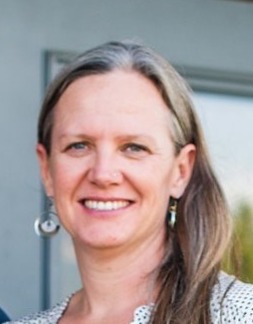
Co-Founder
Meredith's work at thinkBright Homes is backed by a prior career as an independent consultant. Her approach to housing and construction is informed by two decades of professional experience spanning water conservation; environmental communications; climate change; sustainable land use; and sustainable community development.
At thinkBright Homes, Meredith and her husband and business partner, Paul Denchuk are in constant pursuit of the leading edge in residential construction and retrofits. While thinkBright is a small business, they are proving that high performance, energy, efficient, low carbon, climate resilient construction can also be cost effective. thinkBright Homes was the first company in BC to be registered with the Home Performance Contractor’s Network in Insulation and in Fenestration, and is also a registered General Retrofit Contractor.
Meredith has a Masters Degree in Environmental Design and is an Environmental Professional (EP) certified in Environmental Communications and Public Awareness, and Environmental Policy and Legislation. In recent years she has taken formal training in Passive House construction, Insulation best practices, building science for new and renovation construction, and business administration.
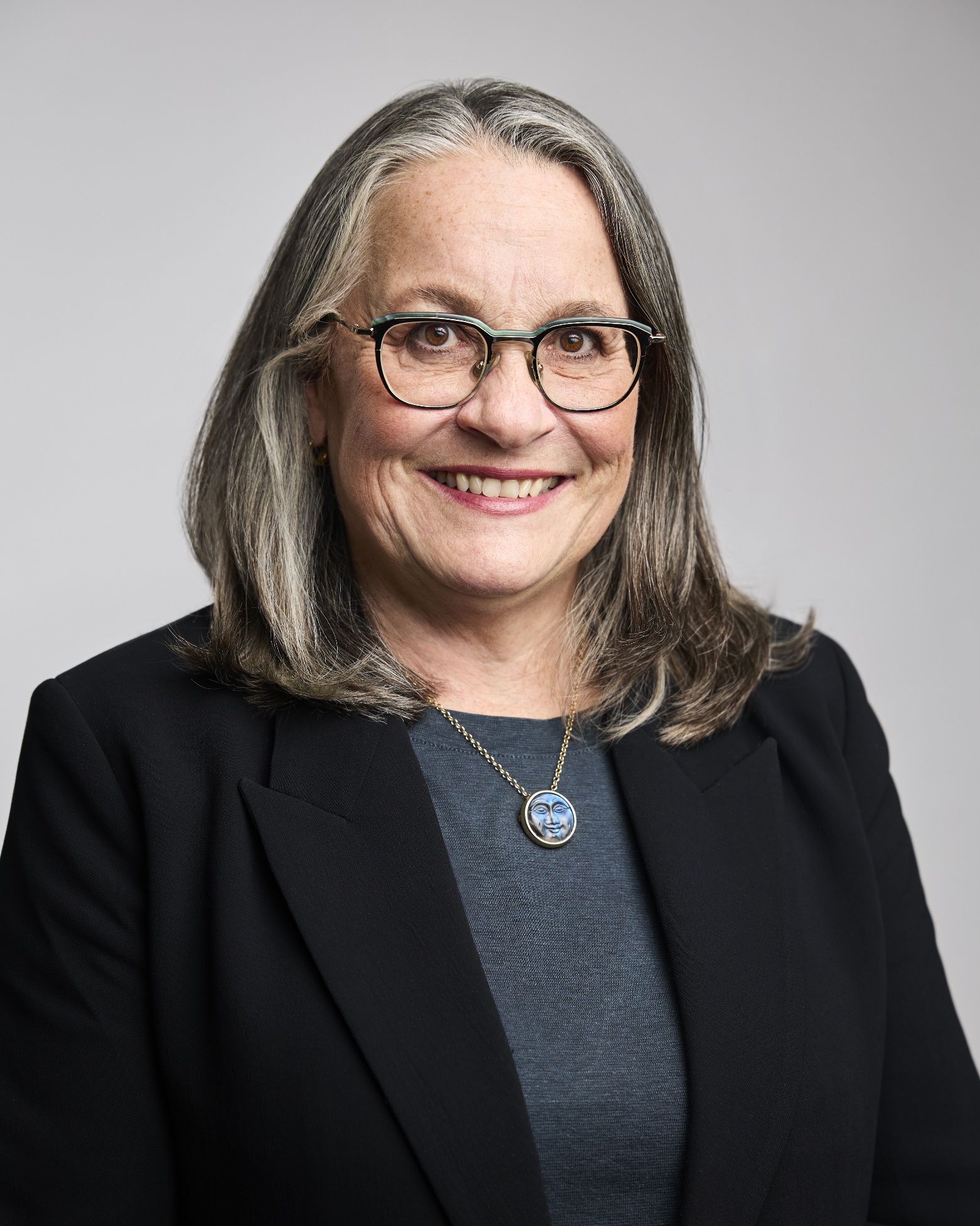
Executive Director
Cindy Gareau is the Executive Director of the Canadian Association of Consulting Energy Advisors (CACEA), the national association representing Canadian energy advisors and focused on ensuring a sustainable and credible profession. Since joining in 2019, Cindy has worked with CACEA's Board of Directors to grow and strengthen the Association, providing members with knowledge, a supportive network, and a unified voice — while positioning CACEA as a valued partner for stakeholders and changemakers across Canada.


